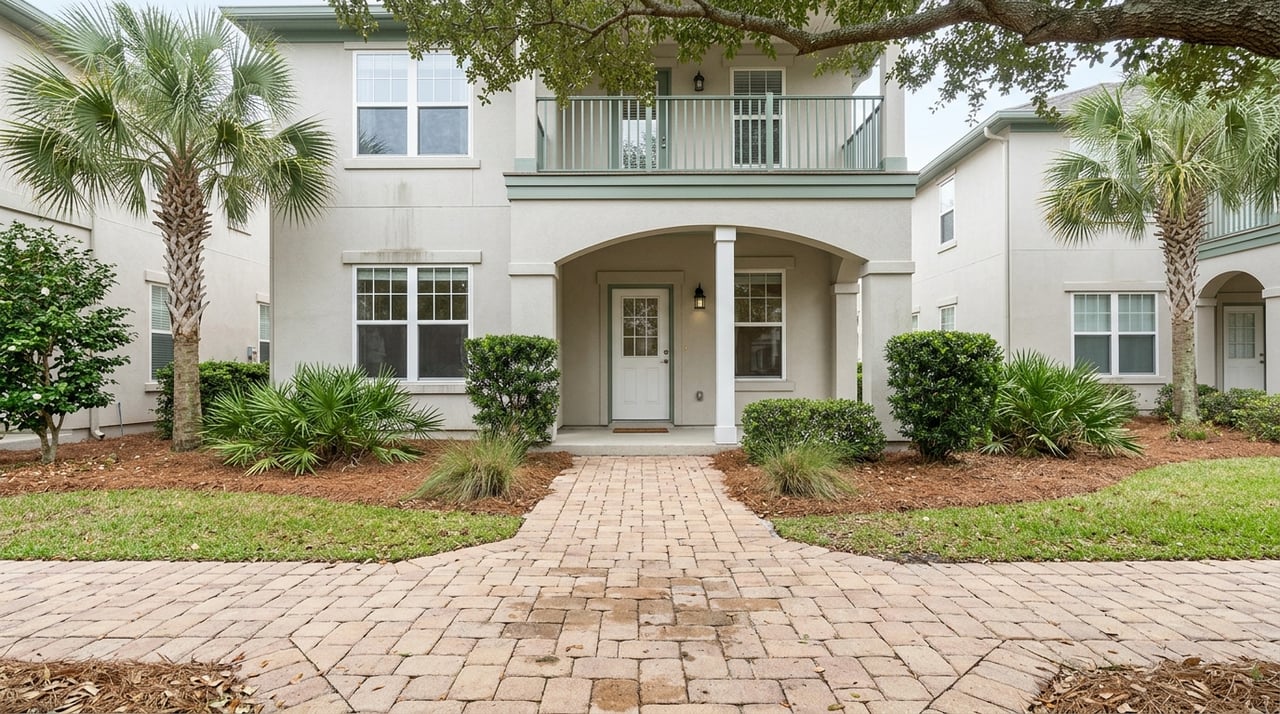
Thinking about buying in Shipyard Plantation? It is easy to assume the big decision is simply villa versus house, but in Shipyard, the smarter question is which property type, fee structure, and sub-community best match how you plan to live, visit, or invest. If you want a clearer path before you tour or write an offer, this guide will walk you through what to know about Shipyard’s layout, market activity, dues, and buying considerations. Let’s dive in.
Why buyers choose Shipyard
Shipyard Plantation is a gated community on the south end of Hilton Head Island with an amenity-rich setting that appeals to both full-time and part-time owners. According to the Shipyard POA, the community spans about 800 acres and includes golf, tennis, biking and jogging trails, a resort, a health spa, and beach access.
The community also has a structured access and security system. The POA states that Shipyard has two manned gates, two roving patrols, and 24-hour security coverage, which is an important detail if you are buying remotely or planning seasonal use.
For many buyers, the beach access is a major draw. The Shipyard Beach Club is a 4,000-square-foot oceanfront facility with direct beach access, an event room, bar area, large deck, and 420 beach lockers, and owners also receive access to the Good Neighbor Card discount program tied to Sonesta Resort HHI, Shipyard Golf, and Van Der Meer Tennis.
Villa or home in Shipyard
The choice between a villa and a single-family home often comes down to lifestyle, maintenance expectations, and ownership structure. Shipyard is not just one neighborhood with one set of property types. It is a larger community with multiple sub-areas and a layered ownership model.
The POA describes Shipyard as a mix of commercial operations, timeshare, villas, and residential homes, with two single-family residential areas, roughly 1,100 villa units, and 400 timeshare units. On the Shipyard living page, the community also identifies many sub-communities, including Beachwalk, Colonnade Club, Evian, Golfmaster, Harbourmaster, Sailmaster, Shipmaster, Tennismaster, Waterford Villas, Windward Village, and the north and south residential areas.
When a villa may fit better
A villa may be a better fit if you want a more lock-and-leave ownership style or you are focusing on a second home or investment property. Since the attached side of the market is the larger and more active segment in Shipyard, you will usually have more attached options to compare.
In the 2025 Hilton Head housing report, Shipyard’s attached market share was 72%, with 93 closed sales, 4.3 months of supply, 101 average days on market, and 96.5% of list price received. That tells you the attached market is active, but not moving at a pace that usually forces rushed decisions.
When a single-family home may fit better
A single-family home may be worth a closer look if you want more separation, more private outdoor space, or a more traditional residential feel within Shipyard. Buyers who plan to use a property more like a primary or long-stay residence often want to compare the residential north and south areas alongside the villa regimes.
It is also worth noting that detached homes are not automatically the more expensive option here. The same 2025 report shows a median sales price of $599,000 for attached homes and $424,000 for detached homes in Shipyard, with a total area median sales price of $615,000.
Do not assume villas cost less
One of the biggest mistakes buyers make in Shipyard is assuming a villa will always be the lower-cost entry point. The data do not support that simple rule.
Because Shipyard has many different regimes, building styles, and ownership setups, pricing can vary a lot based on location within the community, condition, updates, amenities, and dues. That is why comparing a villa to a house in Shipyard works best when you look at the full monthly and annual cost picture, not just the sales price.
Understand the two-layer fee structure
Before you make an offer, make sure you understand that buying in Shipyard often means buying into more than one level of governance. This is especially important for villa and condo buyers.
The POA explains in its FAQ section that anything behind a community sign is handled by that area’s management company. In practical terms, that means a villa or condo owner should expect a second layer of rules and fees beyond the base Shipyard POA assessment.
Base POA dues
The official annual Shipyard POA assessment is billed at the end of December and due upon receipt no later than January 31. The 2024 annual meeting materials show the POA fee at $1,120, up from $1,080 in 2023.
Regime or HOA fees
If you buy within a villa or condo regime, there may be additional neighborhood-specific fees on top of the base POA amount. Since those amounts can vary by sub-community, a parcel-specific estoppel or association statement is important before you finalize an offer.
Seller transfer fee
Shipyard also charges a seller-side transfer fee of one-half of 1% of the sales price on lots, homes, and condominiums. According to the POA FAQ, those funds go into an improvement fund, so on a $600,000 sale, that fee would be $3,000.
Access and decal costs
Access details matter, especially if you plan to host guests, stay seasonally, or coordinate vendors from out of town. Under the POA’s vehicle decal rules, owners receive two decals and one beach hangtag at no charge in a two-year cycle, may purchase up to three RFID gate tags for $45 each, and may purchase additional owner decals for $25 each if their permanent residence is in Beaufort County.
What the market says right now
If you are wondering whether you need to move immediately or can shop carefully, current data points to a market that is active but not chaotic. That gives you room to compare options, but it still rewards buyers who are prepared.
According to Realtor.com’s Shipyard market page, there were 46 homes for sale in March 2026, with a median listing price of $597,450 and 118 median days on market. The same source labeled the neighborhood “Warm” with a hotness index of 43.
Combined with the 2025 closed-sale data, this suggests you can usually take time to review villas, homes, and sub-communities side by side. Still, the better-positioned buyers are the ones who understand financing, dues, access rules, and ownership restrictions before they write.
Key questions before you buy
Shipyard can work well for several ownership goals, but the best property for you depends on how you plan to use it. Before narrowing your search, ask yourself a few practical questions.
- Do you want a low-maintenance second home or a more residential setup?
- Are you comfortable with a second layer of regime rules and fees?
- How important are beach access, tennis, golf, or trail access to your day-to-day use?
- Will you need owner, guest, or vendor access coordinated often?
- Do you want a property that may need exterior updates or renovation approvals?
These questions matter because Shipyard’s appeal is not just the gate or the address. It is the combination of amenities, sub-community differences, and ownership structure.
Renovation rules matter early
If you are buying a property that needs work, do not wait until after closing to check approval rules. Shipyard’s review process can affect your timeline, budget, and renovation scope.
The Architectural Review Board guidelines state that Shipyard’s rules apply across private residential, condominium, commercial, and timeshare interests. Review is required for items such as new construction, landscaping, additions, tree removal, and substantial exterior work.
That does not mean improvements are impossible. It means you should verify what approvals may be needed before you choose a property based on renovation plans.
Remote buying in Shipyard
Shipyard is a natural fit for many second-home and out-of-area buyers, but remote buying works best when you understand the community’s access system and ownership details from the start. A digital tour can show finishes and layout, but it should also help you assess how a property functions within the larger community.
The POA’s access guidance explains that everyone entering Shipyard needs a pass, owners can request guest passes for friends and family, and vendors must pay for access. The Welcome Center is located at the William Hilton Parkway entrance, and security matters are handled 24/7.
For remote buyers, that makes advance planning even more important. If you are comparing a villa and a home from out of state, it helps to evaluate not just the property itself, but also guest access, owner access, vendor coordination, and the rules of the specific regime.
A smart buying approach
The best Shipyard purchases usually happen when you compare more than floor plans and photos. You want to weigh property type, fee stack, community rules, and how the property supports your goals.
A smart approach often looks like this:
- Narrow your use case first, such as primary residence, second home, or investment.
- Compare villas and homes based on total carrying cost, not just purchase price.
- Review the base POA dues and ask for regime-specific fee and rule information.
- Confirm access logistics if you will have guests, renters, or vendors.
- Check ARB or exterior approval requirements if updates are part of your plan.
When you do that upfront, you are more likely to choose the right Shipyard property the first time.
If you want help comparing Shipyard villas and homes based on your goals, budget, and ownership plans, Tisha Chafer offers the kind of local, concierge-style guidance that can make the process much clearer, especially if you are buying from out of town.
FAQs
What is Shipyard Plantation on Hilton Head Island?
- Shipyard Plantation is a gated community on the south end of Hilton Head Island with about 800 acres, beach access, golf, tennis, trails, a resort, a health spa, and 24-hour security coverage according to the Shipyard POA.
What types of properties are available in Shipyard?
- Shipyard includes single-family residential areas, villa communities, timeshare properties, and commercial operations, with roughly 1,100 villa units and 400 timeshare units according to the POA.
Are villa buyers in Shipyard subject to extra fees?
- Yes. In addition to the base Shipyard POA assessment, villa and condo buyers may also have regime or HOA fees tied to their specific sub-community.
Is a villa in Shipyard always cheaper than a house?
- No. The 2025 Hilton Head housing report showed a median sales price of $599,000 for attached homes and $424,000 for detached homes in Shipyard, so pricing should be evaluated case by case.
What is the Shipyard POA fee?
- The Shipyard POA annual assessment was listed at $1,120 in the 2024 annual meeting materials, and it is billed at the end of December and due no later than January 31.
What transfer fee applies when selling a Shipyard property?
- Shipyard charges a seller-side transfer fee equal to one-half of 1% of the sales price on lots, homes, and condominiums.
Do Shipyard owners get beach access?
- Yes. The Shipyard Beach Club provides direct beach access and includes an event room, bar area, large deck, and beach lockers for owners.
What should remote buyers know about Shipyard access?
- Shipyard requires entry passes, allows owners to request guest passes, and charges vendors for access, so remote buyers should understand access logistics before closing.